
front lit mirror
Poziom ramki Kluczowe zagadnienia w zarządzaniu projektem Poziom ramki Kluczowe zagadnienia w zarządzaniu projektem W pierwszej kolejności, poziom ramki określa granice projektu, co pozwala na lepsze zrozumienie jego celów i oczekiwań. Ustalenie wyraźnych granic pozwala zespołom projektowym skupić się na kluczowych zadaniach i uniknąć niepotrzebnych rozproszeń. W tym kontekście, określenie zakresu projektu (scope) jest niezwykle ważne. Pomaga to w zdefiniowaniu, co będzie wchodzić w skład projektu, a co nie, co z kolei wpływa na planowanie zasobów i harmonogramów. frame level Kolejnym istotnym zagadnieniem związanym z poziomem ramki jest identyfikacja interesariuszy. Każdy projekt ma swoich interesariuszy, których potrzeby i oczekiwania muszą być uwzględnione na etapie planowania. Zrozumienie, kto jest zainteresowany projektem, jakie ma oczekiwania oraz w jaki sposób projekt wpłynie na ich sytuację, jest kluczowe dla jego powodzenia. Poziom ramki pozwala zatem na stworzenie odpowiedniego planu komunikacji, który zapewnia, że wszyscy interesariusze są na bieżąco informowani o postępach projektu. Następnie, poziom ramki umożliwia dostosowanie metodologii zarządzania projektem do specyfiki projektu. Różne projekty będą wymagały różnorodnych podejść i technik, co może wpływać na efektywność realizacji zadań. Na przykład, projekty badawcze mogą wymagać większej elastyczności w planowaniu, podczas gdy projekty budowlane mogą wymagać ścisłego przestrzegania harmonogramów. Podsumowując, poziom ramki jest kluczowym elementem skutecznego zarządzania projektami. Dzięki jego odpowiedniemu zdefiniowaniu i zarządzaniu, zespoły projektowe mogą lepiej koncentrować się na celach, skutecznie komunikować się z interesariuszami oraz dostosować metodyki do wymagań danego projektu. W kontekście rosnącej złożoności projektów, umiejętność zarządzania poziomem ramki staje się nieodzownym atutem w arsenale każdego menedżera projektu.
about
front lit mirror
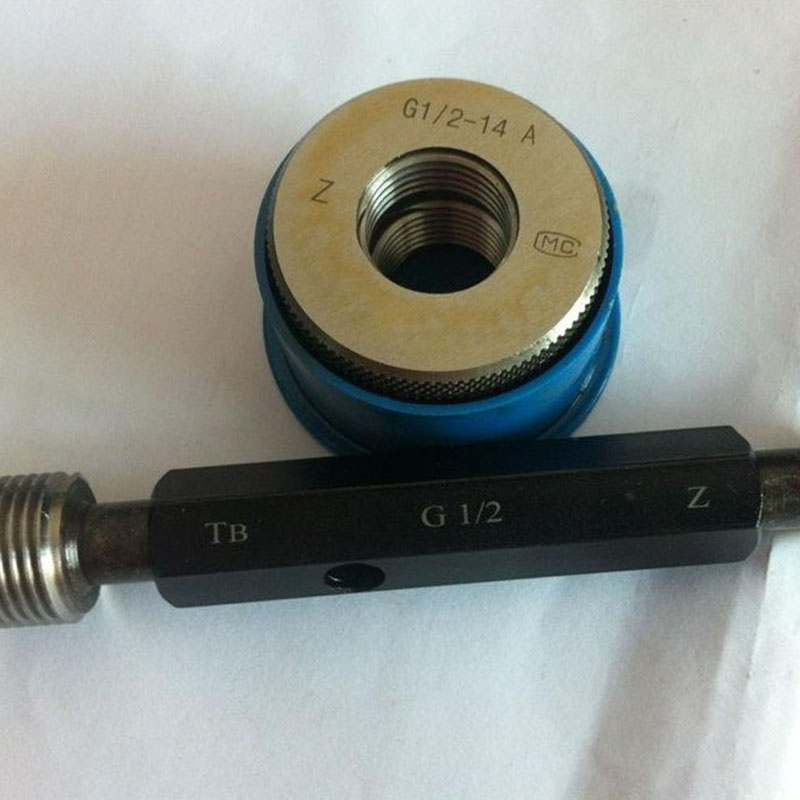
Understanding Metric Trapezoidal Threads An Overview Metric trapezoidal threads are a significant aspect of modern engineering and manufacturing, used primarily for the purpose of transmitting power and motion. The trapezoidal thread form is known for its efficiency in converting rotary motion into linear movement, making it an ideal choice for applications like lead screws and other mechanical systems. The Geometry of Trapezoidal Threads The profile of trapezoidal threads differs from traditional triangular threads, such as the common ISO metric threads. Trapezoidal threads have a more substantial and flatter profile, making them capable of handling higher loads. The thread flanks are usually at an angle that provides a stable surface for contact. Typically, the threads are defined by several parameters pitch, outer diameter, and depth, which collectively determine their suitability for various applications. The most common standard for metric trapezoidal threads is designated as Tr, followed by a number that indicates the pitch (distance between threads). For example, Tr20 means the pitch of the thread is 20 mm. These measurements ensure that metric trapezoidal threads fit precisely into corresponding components, facilitating smooth operation and minimizing wear over time. Applications of Metric Trapezoidal Threads Metric trapezoidal threads have a wide range of applications, primarily in machinery where accurate linear motion is required. Some of the most common uses include 1. Lead Screws and Ball Screws These components utilize trapezoidal threads to convert rotary motion into linear motion efficiently. Applications range from CNC machines to 3D printers, where precise positioning is paramount. metric trapezoidal thread 2. Clamps and Jacks In tools designed to hold materials securely, such as vises or jacks, trapezoidal threads provide the necessary mechanical advantage . Their robust design is perfect for high-load environments. 3. Adjustable Elevation Mechanisms In applications such as camera tripods or adjustable workbenches, metric trapezoidal threads enable smooth and controlled height adjustments. 4. Robotics Many robotic systems rely on trapezoidal threads for actuator movement, providing the necessary precision in a compact design where space and weight are crucial considerations. Advantages of Metric Trapezoidal Threads One of the primary advantages of using metric trapezoidal threads is their ability to bear higher loads compared to traditional screw threads. This is due to their broader contact area, which distributes the force more evenly. Furthermore, the design of trapezoidal threads reduces backlash—a common issue in screw mechanisms—thus enhancing the overall accuracy and responsiveness of the system. Another benefit is the standardized nature of metric trapezoidal threads. This universality simplifies the design and manufacturing processes, making it easier for engineers to select the right components for their applications. Moreover, standardized threads are readily available in various sizes and materials, facilitating repairs and replacements. Conclusion In conclusion, metric trapezoidal threads offer a versatile and robust solution for various mechanical applications requiring efficient power and motion transmission. Their unique geometric profile, combined with their ability to bear heavy loads and reduce backlash, positions them as a preferred choice in many engineering fields. As technology continues to advance and machine precision becomes increasingly critical, the importance of understanding and implementing metric trapezoidal threads will only grow, ensuring that they remain an essential component in the toolbox of engineers and manufacturers alike. Whether in automation, robotics, or standard mechanical devices, the role of these threads in modern engineering cannot be overstated.
-

High quality industrial productsagement

High quality industrial products
View Details -

Meet the diverse needs of customers

Meet the diverse needs of customers
View Details -

Strict quality control

Strict quality control
View Details -

Top raw materials

Top raw materials
View Details -

Trusted supplier

Trusted supplier
View Details
Our application



news and information
Valve's Influence in the Chinese Market and Its Future Prospects
The Influence of Valve China on the Global Valve Industry In recent years, China has emerged as a ce
welding table 4x8
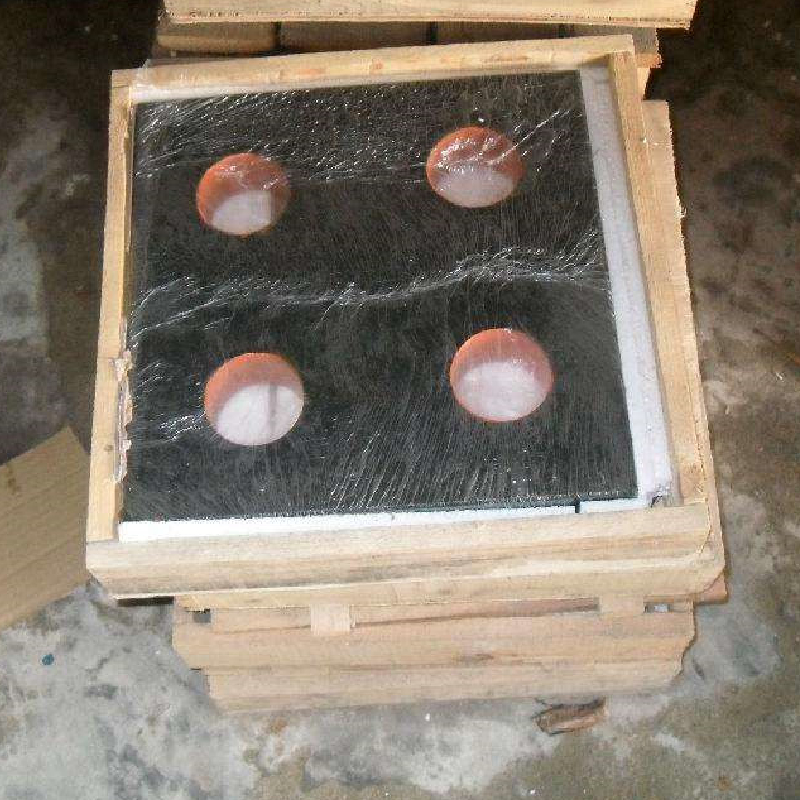
Welding Table 4x8 A Vital Tool for Every Welder In the world of metalworking, a sturdy and functiona
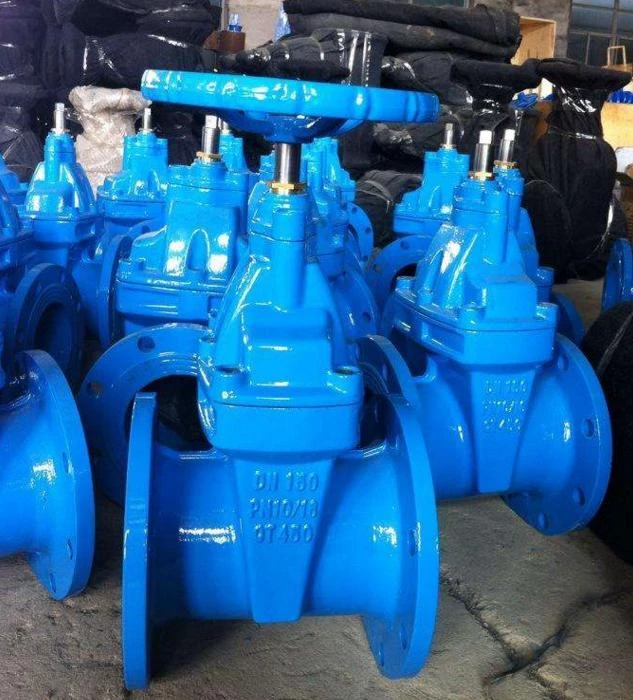
Valvola di ritegno 6an per sistemi idraulici e pneumatici di alta qualità
Il settore industriale moderno richiede soluzioni efficienti per il controllo del flusso di fluidi,
 English